Afrikaans
 Albanian
 Arabic
 Armenian
 Azerbaijani
 Basque
 Belarusian
 Bulgarian
 Catalan
 Chinese (Simplified)
- Chinese (Traditional)
 Croatian
 Czech
Czech Danish
 Dutch
Dutch English
 Estonian
 Filipino
 Finnish
 French
 Georgian
 German
 Greek
Greek Haitian Creole
 Hebrew
 Hindi
Hindi Hungarian
 Icelandic
 Indonesian
 Irish
Irish Italian
 Japanese
 Korean
 Latvian
 Lithuanian
 Macedonian
 Malay
Malay Malagasy
 Maltese
 Norwegian
 Persian
 Polish
 Portuguese
 Romanian
 Russian
 Serbian
 Slovak
 Slovenian
 Spanish
 Swedish
 Thai
Thai Turkish
 Ukrainian
 Urdu
Urdu Vietnamese


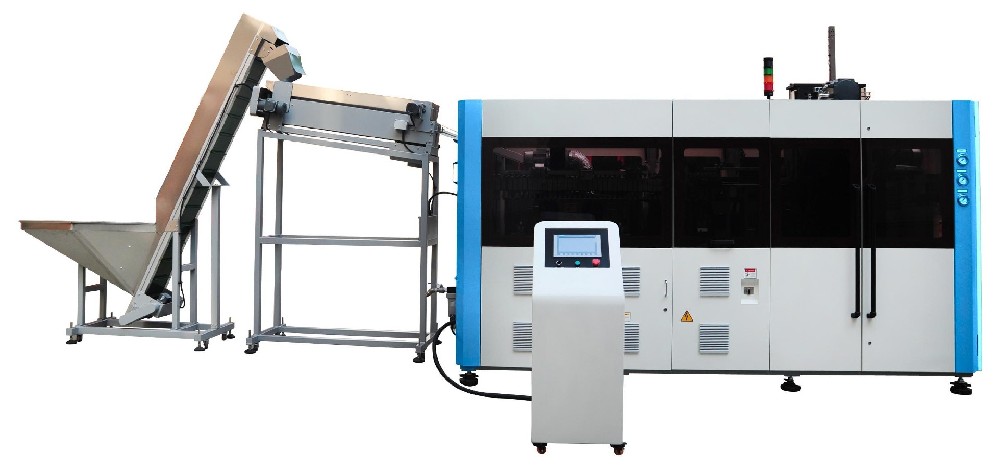


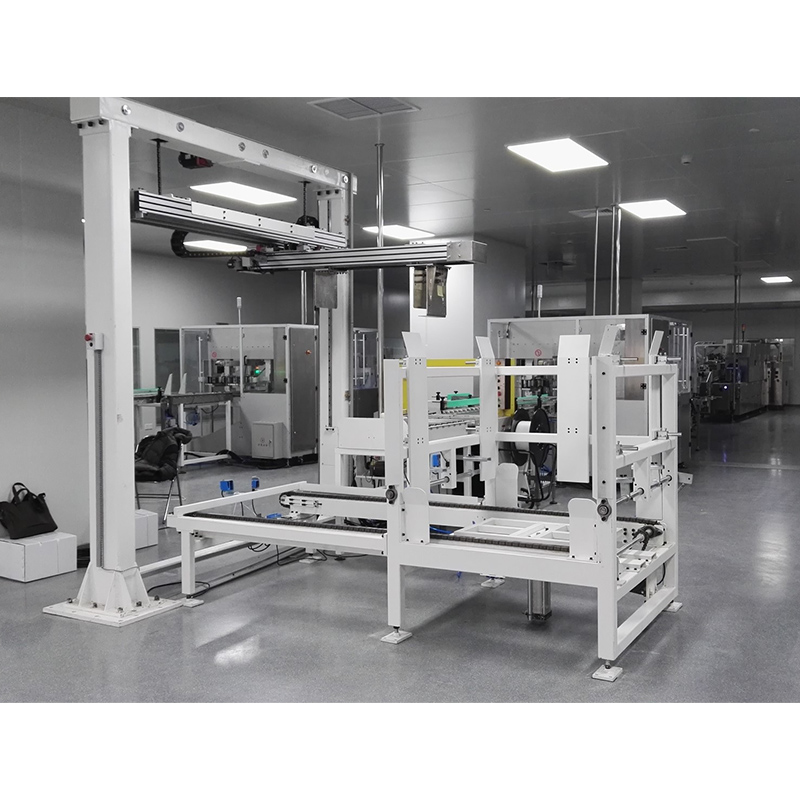






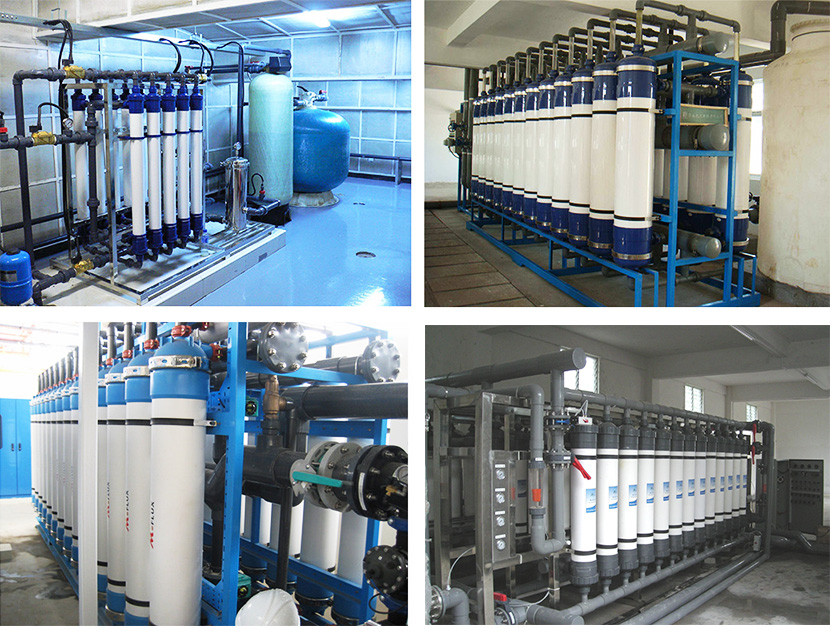
Product Introduction:
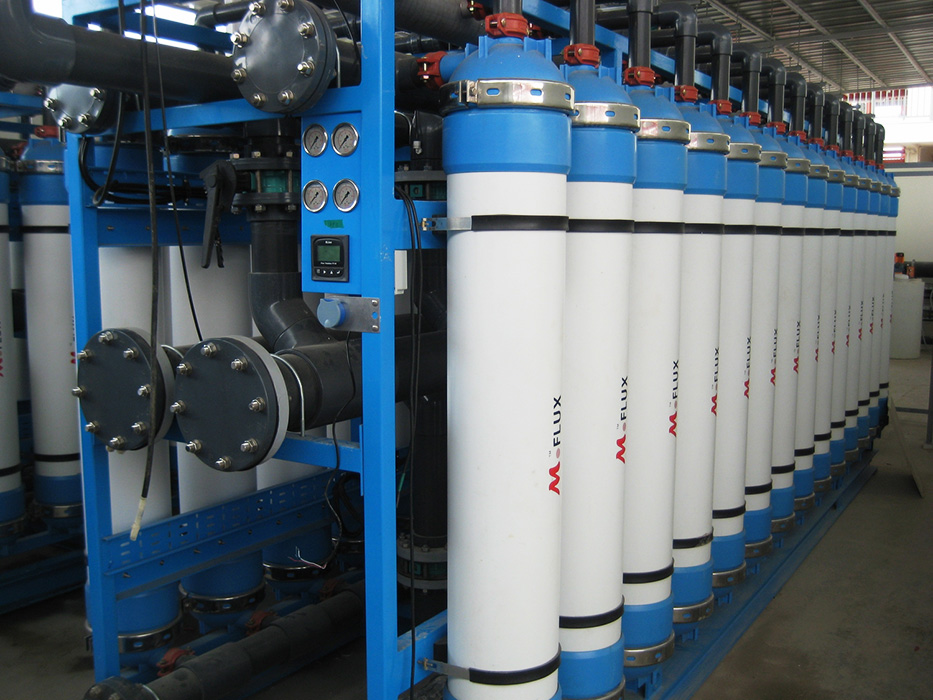
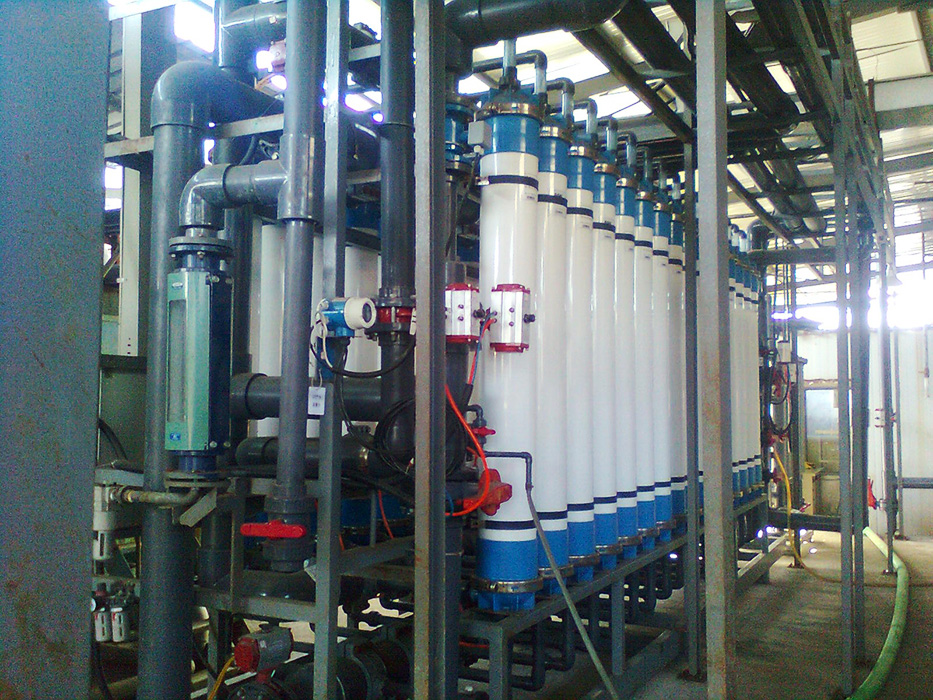
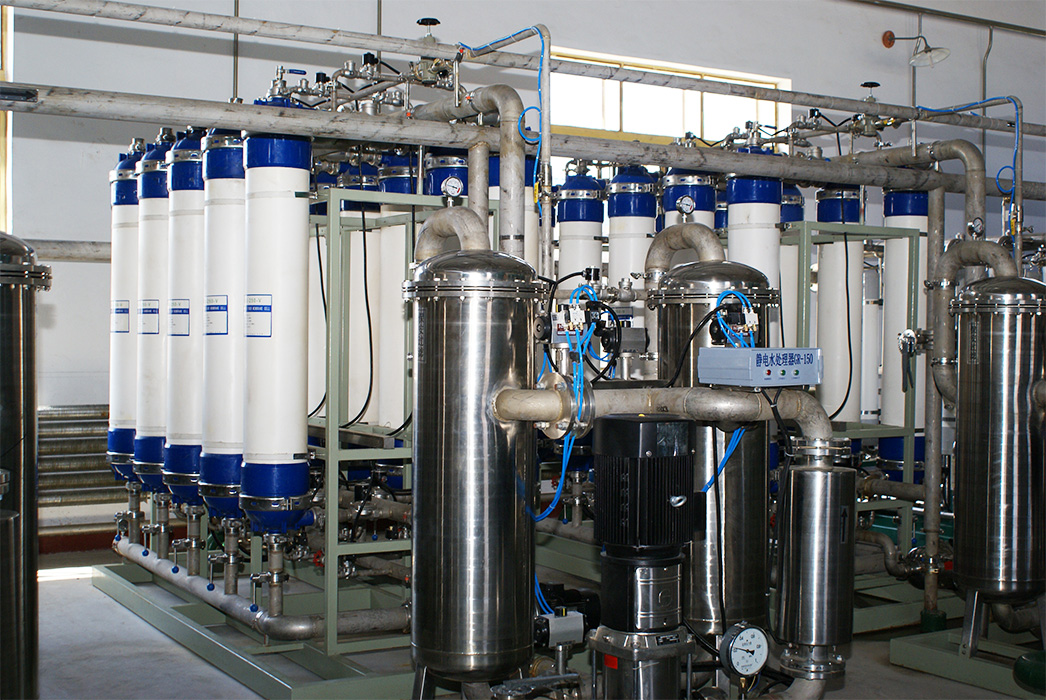
Ultrafiltration (UF) equipment is a membrane separation technology capable of purifying, separating, and concentrating a solution. The process of ultrafiltration can generally be considered as a screening process related to the size of the membrane pore size. Under the action of external force, the separated solution flows along the surface of the ultrafiltration membrane at a certain flow rate. The solvent and low molecular weight substances and inorganic ions in the solution pass through the ultrafiltration membrane from the high pressure side to the low pressure side, and are filtered out. High-molecular-weight substances, colloidal particles, and microorganisms in the solution are trapped by the ultrafiltration membrane, and the solution is concentrated and discharged. The dead-end filtration method can also be used to save the retentate on the membrane surface, and then periodically backwash to discharge the retentate
The membrane surface pore size is used for mechanical sieving, membrane pore blocking and retention, and membrane surface and membrane pores for the adsorption of impurities to remove macromolecular substances and particles in water. Mainly through sieving, the effective separation of particles or macromolecules in the range of 0.005 ~ 0.1um, the soluble matter between the molecular weight of 1000 ~ 500000, and the operating static pressure difference is 0.1 ~ 1MPa. When the solution passes through the membrane surface at a certain flow rate under the action of external pressure, water molecules and solutes with a molecular weight of less than 300-500 pass through the membrane, and particles and macromolecules larger than the membrane pore size are trapped due to the sieving effect, so that The solution was purified.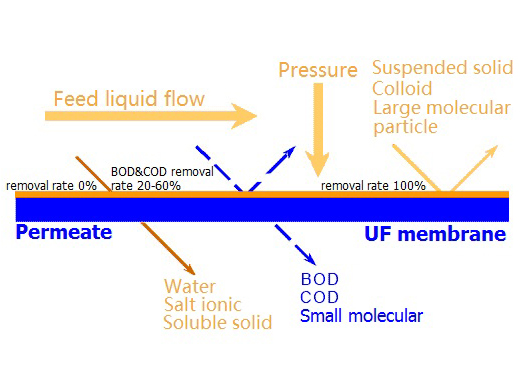
UF Type:
Inside-out (Internal pressure)
Feed liquid enters the center of hollow fiber, the colloid, Suspended solids, bacterium and other macromolecule substances are intercepted by fiber inner wall and turn into concentrate, while water molecule and ion permeate fiber wall, and is collected at fiber outer wall and becoming pure liquid;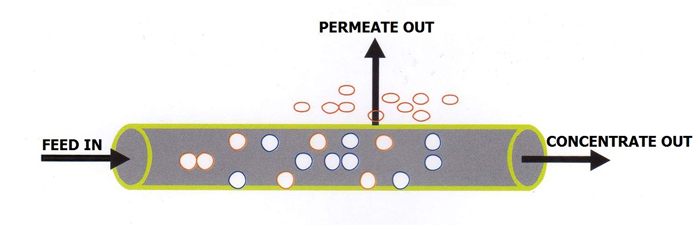
Outside-in (External pressure)
Feed liquid pass through hollow fiber outside into inside, the colloid, Suspended solids, bacterium and other macromolecule substances are intercepted by fiber outer wall and turn into concentrate, while water molecule and ion permeate fiber wall, and is collected at fiber inner wall and becoming pure liquid;Running data: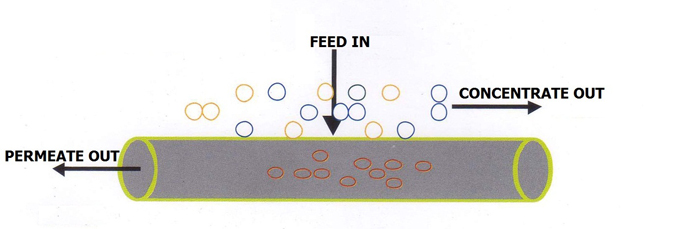
| Filtration method | Inside-out | Outside-in |
| Feed water quality requirement | High | Low |
| Dirt holding capacity | Weak | Strong |
| Water flow dead corner | Without | With |
| Cleaning effect | Easy | Difficult |
| Back-flush cleaning method | Water back wash | Air & Water mixture back wash |
| Main application field | Pure water treatment, reclaimed water reuse with perfect pretreatment | Waste, sewage water, reclaimed water reuse |
Product quality:
Feed turbidity>5NTU, filtrate SDI<3;
Feed turbidity<5NTU, filtrate SDI<2;
Filtrate turbidity<0.1NTU; Bacteria removal≥99.99%;
Product quality:
Product water flow: 1~1000m3/hour
Recover rate: 90~100%
Product quality:
1. Ultrafiltration equipment has high recovery rate and excellent output product quality, which can realize efficient separation, purification and high multiple concentration of materials;
2. There is no phase change in the process, and there is no adverse effect on the components in the material, and it is always at normal temperature during the separation, purification and concentration. It is especially suitable for the treatment of heat-sensitive substances and completely avoids the destruction of bioactive substances by high temperature Disadvantages, effectively retaining the biologically active substances and nutritional ingredients in the original material system;
3. The system has low energy consumption and short production cycle. Compared with traditional technology, the equipment operation cost is low, which can effectively reduce production costs and improve business efficiency.
4. The system has advanced process design, high integration, compact structure, small footprint, simple operation and maintenance, and low labor intensity;
5. The system is made of food-grade connecting pipes, which are sanitary and clean on site, and can meet the requirements of GMP or FDA production specifications;
6. The control system can be individually designed according to the specific requirements of the user, combined with advanced control software, on-site centralized monitoring of important operating parameters, to avoid manual operation of physical objects, and ensure long-term stable operation of the system.
Component pictures: